
From Sustainability Disclosure to Business Action: Key Insights from GSDC 2026
Updated: Sep 1
The Global Sustainable Development Congress (GSDC) 2026, held on 22-25 June 2026 at Indonesia Convention Exhibition (ICE) BSD Jakarta, Indonesia brought together leaders, policymakers, academics, and sustainability practitioners to discuss a wide range of topics embedded within the Sustainable Development Goals.

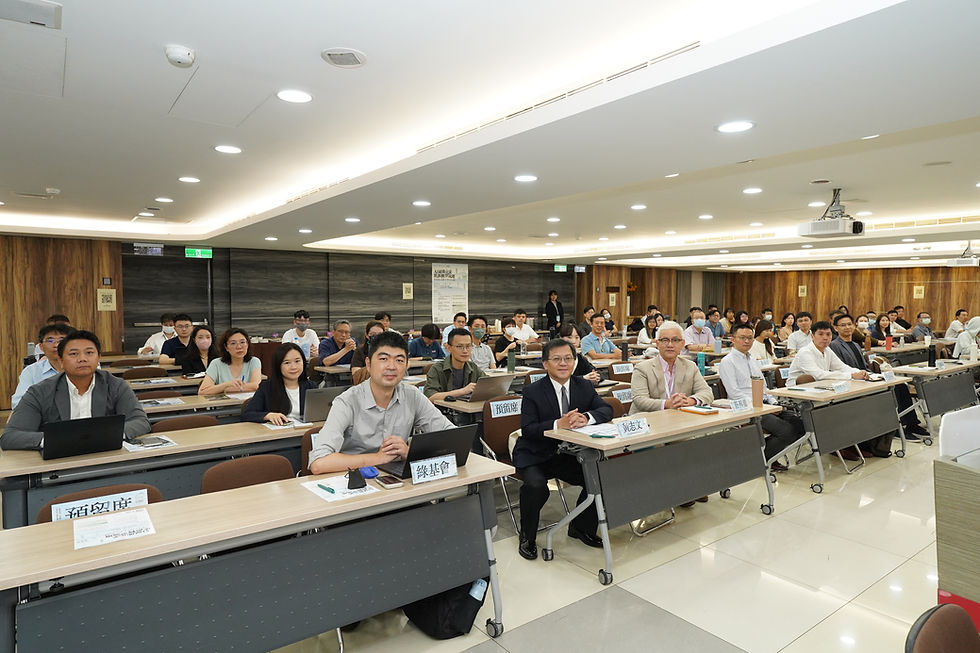
This year also marked the first inauguration of the Asia Pacific Sustainable Business Summit, held as part of GSDC 2026. Representing Mt. Stonegate, Manager SE Asia Markets and Global EACs Sourcing, Albert Sutanto, and Project Analyst, Maurelitya P. Dayinta attended sessions mainly under this summit, gaining insights into how companies in the region are responding to the evolving sustainability landscape.
One key message stood out clearly: corporate sustainability now is moving beyond reporting, compliance, and public relations. It is increasingly becoming a strategic business imperative that directly influences financial performance, risk management, governance, and long-term competitiveness.
The conversation has shifted from simply asking, “What should we report?” to “How can sustainability data drive decision-useful action and leads company to measurable financial value?”
Key Highlights from the Event
One of the strongest themes was the need to move from data collection to strategic execution. Many companies today already collect ESG and sustainability data, but the challenge lies in how they interpret and translate that data into practical business strategies.
Climate risk was highlighted as a direct financial risk. For example, rising temperatures can increase cooling demand for buildings such as malls and department stores, where cooling costs may represent around 30–50% of operational expenses. This shows that climate-related risks are not only environmental concerns, but also material business issues that can affect cost, profitability, and long-term planning.

The event also highlighted the complexity of Scope 3 emissions and value chain decarbonization. Many companies in Asia-Pacific still rely heavily on secondary data, making it difficult to create accurate reduction strategies. For hard-to-abate sectors such as cement, petrochemicals, and pharmaceuticals, the gap between ambition and implementation remains significant due to technology limitations, high investment needs, policy uncertainty, and limited access to sustainable financing.
Governance was another important focus. Good sustainability governance is no longer only about managing disclosure, but about ensuring that sustainability influences business decisions, and investment priorities. Digitalization and AI can support ESG data collection and supply chain monitoring, but they also require strong data integrity, cybersecurity, and internal controls.
What This Means for Sustainability in Indonesia
For Indonesia, the message is timely. Regulations such as OJK Regulation No. 51/2017 and the sustainable finance taxonomy provide important direction, but regulation alone is not enough. Industries need stronger internal capability to translate sustainability training, data, and commitments into practical action.
This also means sustainability should be integrated into the core business model. Companies need to connect sustainability with operational efficiency, supply chain resilience, social impact, and market competitiveness. The social part or “S” in ESG also requires more attention, especially in understanding and measuring social impact in a way that is meaningful for both communities and businesses.
Looking Ahead
Looking ahead, basic reporting and voluntary commitments will no longer be sufficient. Companies need to build internal capacity, strengthen cross-functional collaboration, and use sustainability data to guide investment and operational decisions.
As expectations continue to evolve, companies that can turn data into strategy, and strategy into measurable action, will be better positioned to build resilience and long-term competitiveness.
For companies looking to move from basic sustainability compliance to strategic, data-driven business action, Mt. Stonegate Green Asset Management is here to support your journey toward lasting resilience and competitiveness.


Comments