
From Geopolitical Crisis to Energy Transition: Why Renewable Energy Is Becoming a Strategic Necessity
Updated: Sep 1
A New Energy Shock Reshaping Global Markets
The escalating tensions in the Middle East and the disruption of major shipping routes such as the Strait of Hormuz have once again exposed the vulnerability of the global energy system to geopolitical instability. Approximately 20% of global oil consumption passes through the Strait of Hormuz, making it one of the world’s most critical energy trade routes. As uncertainty grows, global markets are already experiencing rising energy prices, supply chain disruptions, and increasing concerns over energy security.
While the immediate impact has placed pressure on economies and industries worldwide, the crisis is also accelerating a broader shift in how renewable energy is perceived globally, which not only as a sustainability initiative, but as a strategic necessity.
Short-Term Challenges for Clean Energy
In the near term, the disruption presents several challenges for renewable energy deployment. Global logistics bottlenecks are affecting the availability of key materials needed for solar panels, batteries, and other clean energy technologies. At the same time, higher fuel prices are contributing to inflation and increasing financing costs, creating additional barriers for capital-intensive renewable energy projects.
Several Asian economies have also temporarily increased coal utilization to stabilize electricity supply amid LNG shortages and volatile fuel prices. These developments demonstrate that short-term energy security concerns can still influence national energy decisions, even as countries continue pursuing long-term decarbonization goals. However, these short-term disruptions are unlikely to reverse the broader energy transition. Instead, they may reinforce the urgency of building more resilient and diversified energy systems.
The Energy Trilemma: Balancing Security, Affordability, and Sustainability
The current situation also highlights the growing relevance of the Energy Trilemma framework, which balances three critical priorities within the energy sector: energy security, energy affordability, and environmental sustainability.
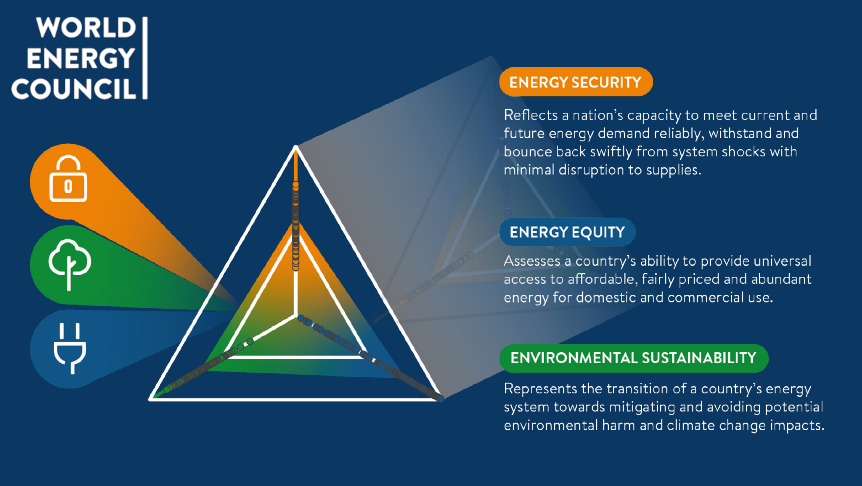
Historically, these objectives have often competed with one another. Yet the recent geopolitical disruption demonstrates how renewable energy is increasingly positioned to support all three dimensions simultaneously. Beyond supporting climate goals, renewable energy can strengthen domestic energy security while improving long-term price stability by reducing exposure to volatile fossil fuel markets. This shift marks an important evolution in the global energy conversation. Renewable energy is no longer viewed solely through the lens of environmental responsibility, but increasingly as an economic and geopolitical strategy.
Asia’s Turning Point
This transition is becoming important across Asia, where many economies remain heavily dependent on imported oil and gas. Some analysts have described the current situation as “Asia’s Ukraine moment,” drawing parallels to how the Russia-Ukraine war accelerated Europe’s efforts to diversify away from Russian gas dependency.
Countries such as South Korea, India, and Pakistan are already accelerating renewable energy initiatives and distributed solar adoption as businesses and households seek more reliable and cost-stable energy alternatives. At the same time, the declining cost of renewable technologies (with global solar PV costs falling by more than 80% over the past decade) continues to improve the economic competitiveness of clean energy deployment. The combination of energy security concerns and improving renewable economics is reshaping how governments and industries approach long-term energy planning.
What It Means for Businesses
For businesses and investors, the evolving energy landscape creates both challenges and opportunities. Energy market volatility can disrupt operations and increase costs, but it also strengthens the case for renewable energy procurement, diversified energy portfolios, and long-term power purchase agreements (PPAs) that improve operational resilience.
At Mt. Stonegate Green Assets Management, the ongoing global energy uncertainty reinforces the importance of viewing sustainability through a strategic lens. Renewable energy is no longer driven solely by environmental ambition, but increasingly by the need to manage risk, enhance energy security, and support long-term business stability.
Looking Ahead
Although geopolitical conflicts continue to create short-term uncertainty, they are also accelerating a broader transformation in how the world approaches energy deployment. In today’s increasingly fragmented geopolitical landscape, the energy transition is no longer solely about achieving climate targets, but it is about solving the trilemma in a way that ensures resilience, affordability, and long-term sustainability simultaneously.
References:
Institute for Energy Economics and Financial Analysis (IEEFA). (2026). Impact of the Middle East Crisis on Global Energy Markets. Retrieved from: https://ieefa.org/impact-middle-east-crisis-global-energy-markets.
Institute for Energy Economics and Financial Analysis (IEEFA). (2026). Renewables are a natural hedge against fossil fuel shocks. Retrieved from: https://ieefa.org/resources/renewables-are-natural-hedge-against-fossil-fuel-shocks
International Energy Agency (IEA). (2026). The Middle East and Global Energy Markets.
UN News. (2026). Middle East crisis exposes global energy fault line as UN urges shift to renewables. Retrieved from: https://news.un.org/en/story/2026/04/1167243
World Energy Council. (2025). The World Energy Trilemma Framework: Balancing Security, Affordability, and Sustainability. Retrieved from: https://www.worldenergy.org/transition-toolkit/world-energy-trilemma-framework


Comments