
Corporate Decarbonization: From Target Setting to Ongoing Management (EN/CN)
Updated: 6 minutes ago
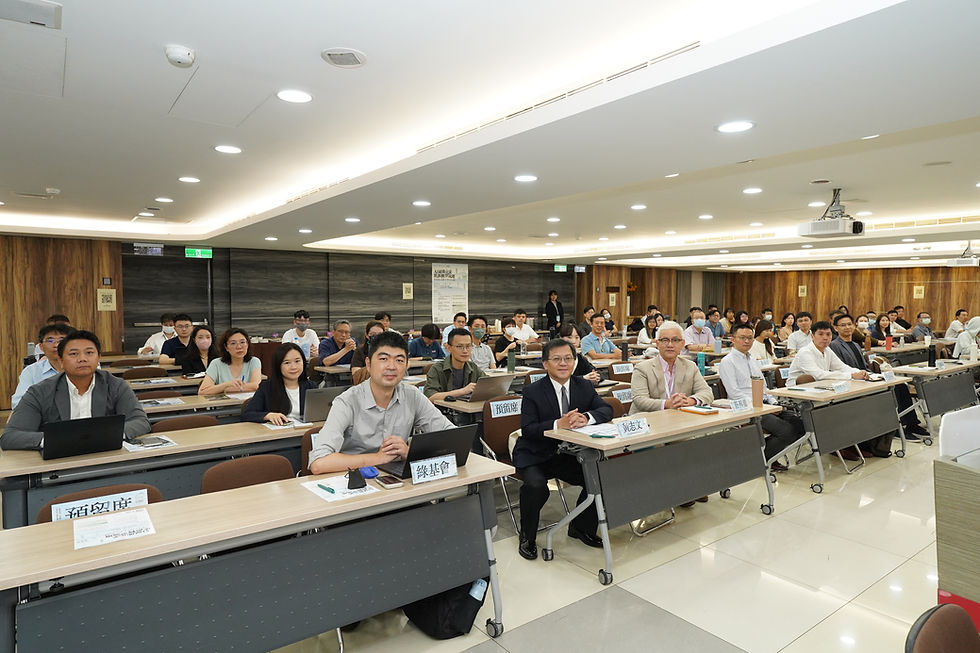
From 3–4 September 2026, Mt. Stonegate was invited to participate in the Carbon Neutrality and Sustainability Management Capacity Building Program held in Qingdao by the Shanghai Environment and Energy Exchange and the China Carbon Neutrality Action Alliance (CCNAA). The program brought together industry experts and corporate representatives to exchange views on corporate decarbonization, carbon markets, zero-carbon industrial parks, and practical implementation.

The discussions during the program also offered a perspective worth exploring further. As corporate decarbonization efforts progress, management priorities become increasingly specific. Once targets have been set and actions are underway, companies need to assess whether emissions reductions are progressing as expected, how much further improvement existing measures can deliver, and how the remaining decarbonization potential and implementation challenges may evolve. From this perspective, as corporate decarbonization moves into the implementation stage, ongoing management becomes increasingly important, including how companies adjust their pathways based on actual progress and how they measure the real impact of individual decarbonization actions.
Assessing Remaining Decarbonization Potential Across Different Stages
Corporate decarbonization is typically a gradual process. Once relatively accessible measures have been implemented, further emissions reductions often involve more complex conditions, longer preparation periods, and greater resource requirements. One point raised during the program was the diminishing marginal potential for emissions reduction: as emissions are progressively reduced, achieving each additional reduction can become more challenging.
This is particularly relevant when companies develop medium- and long-term decarbonization pathways. Strong progress in the early years may demonstrate that existing measures are working, but the same pace may not be sustainable over the entire target period. As more mature and readily available solutions are implemented, the remaining emissions may increasingly come from more complex areas such as supply chains, production processes, and differing energy-market conditions across regions.
The CDP scoring framework illustrates a similar progression. Companies at an early stage of disclosure or with relatively less mature management systems can often make visible improvements by strengthening data quality, completing disclosures, and establishing basic management processes. As management systems mature and scores improve, further progress requires deeper development across governance, target setting, implementation, and data management. For companies that already have a relatively strong foundation, the remaining areas for improvement tend to become more specific. Progress increasingly depends on identifying gaps within existing management systems and addressing them in a more targeted manner.

As implementation progresses, medium- and long-term decarbonization pathways may also need to be adjusted. Companies can periodically reassess their remaining emissions sources, identify which areas can still be addressed using existing solutions, and determine where market conditions, data availability, or internal management capabilities may constrain further progress. Business scale, energy markets, and external requirements can all change over time, creating potential gaps between earlier plans and current conditions. Regularly reviewing remaining decarbonization potential and implementation conditions can help companies refine priorities and maintain alignment between near-term actions and long-term targets.
Building a Measurable and Verifiable Foundation for Decarbonization Actions
The program also included discussions on transition finance. Transition finance primarily supports high-emitting and hard-to-abate sectors, including steel, coal-fired power, chemicals, and building materials, by providing financing for activities such as low-carbon upgrades, technology deployment, and energy mix transition. It serves as an important complement to green finance by supporting the transition of existing carbon-intensive industries. Transition finance considers both how financing is used and how the transition itself is managed. Clear emissions-reduction targets, interim performance indicators, and ongoing disclosure together provide an important basis for assessing transition progress and credibility.
A sustainability-linked loan discussed during the corporate practice session provided a relatively straightforward example. Under this type of financing, a company agrees with its bank on specific sustainability KPIs and continues to assess performance against those indicators in subsequent years. Once the agreed targets are achieved, the company may qualify for a further reduction in the loan interest rate. Sustainability performance therefore extends beyond internal management and needs to be demonstrated through clearly defined indicators and periodic results, with a direct impact on financing conditions.
As sustainability performance becomes more closely linked to financing conditions and other business considerations, data quality and verification of results become increasingly important. The program also noted that measuring, monitoring, and disclosing transition outcomes remain key practical challenges in implementing transition finance. For day-to-day corporate decarbonization management, a further consideration is the actual contribution of different actions to overall results. Changes in annual emissions can be driven by multiple factors, including business scale, energy mix, procurement arrangements, and changes in accounting boundaries. Looking only at the headline result provides limited insight into how much a specific measure has actually contributed. As management practices mature, companies can further disaggregate these drivers and establish more consistent tracking approaches, making decarbonization progress easier to explain and allowing the effectiveness of different measures to be compared over time.
Through continuous tracking of these results, companies can gradually identify which measures are effective, where outcomes fall short of expectations, and how priorities should be adjusted for the next stage. In this process, carbon data can evolve from a set of annual figures into an important management foundation for continuously assessing transition progress. This is also an area in which Mt. Stonegate continues to support companies in strengthening their capabilities. By combining global sustainability requirements, developments in renewable energy markets, and the specific needs of individual businesses, we look forward to exchanging practical experience with more companies and supporting them in developing clearer and more actionable pathways as they advance their emissions-reduction targets, providing a stronger foundation for long-term transition.
企業低碳轉型,從設定目標走向流程管理
2026年9月3日至4日,石門山受邀參與由上海環境能源交易所與碳中和行動聯盟在青島舉辦的雙碳與永續發展管理能力建設活動,並與產業專家及企業代表,就低碳轉型、碳市場、零碳園區及企業實務推動等議題進行交流。
本次活動的分享與討論,也提供一個值得延伸思考的觀點:隨著企業低碳工作逐步深化,管理重點會變得更加具體。當目標已經設定、行動也開始推進後,企業還需要進一步檢視減排進度是否符合預期、現有措施還能帶來多少改善,以及後續可減排空間與執行難度將如何變化。從這個角度來看,當企業低碳轉型進入執行階段後,過程管理會更加重要,包括如何依據實際進展調整後續路徑,以及如何衡量各項低碳行動真正帶來的成效。
依據不同階段,重新評估後續減排空間
企業低碳轉型通常是一個循序漸進的過程。當前期較容易執行的措施完成後,接下來的減排工作往往會牽涉到更複雜的條件、更長的準備時間,以及更高的資源投入。此次活動中也提到,減排具有邊際遞減的特性;也就是說,隨著排放量持續下降,要再進一步減排,難度通常會逐步提高。
這一點在規劃中長期減排路徑時特別值得留意。企業前幾年取得的減排成果,可以說明現有措施已發揮效果,但後續是否能維持相同速度,仍取決於剩餘排放來源,以及可採用解方的成熟度。當相對成熟、容易導入的作法陸續完成後,剩下的排放問題可能會更集中在供應鏈、生產製程,以及不同地區能源市場條件等較複雜的面向。
CDP評分架構也呈現類似的進程。對於剛開始揭露,或管理基礎仍相對薄弱的企業來說,透過強化資料品質、補足揭露內容,以及建立基礎管理流程,通常能較快看見改善。隨著管理基礎逐步成熟、評分提升,後續要再往上推進,就會牽涉到更深入的治理、目標設定、行動落實與資料管理要求。對已經具備一定基礎的企業而言,剩餘的改善空間會變得更細緻,也更需要持續盤點既有管理中的缺口,並以更有針對性的方式加以補強。

隨著執行逐步深入,企業的中長期減排路徑也可能需要同步調整。企業可以定期回頭檢視剩餘排放來源,判斷哪些部分仍能透過現有工具處理,哪些又會受到市場條件、資料基礎或內部管理能力的限制。業務規模、能源市場與外部規範都可能隨時間改變,使早期規劃與當前情況出現落差。定期更新對剩餘減排空間與執行條件的判斷,有助於企業重新排序後續重點,讓短期行動能持續銜接長期目標。
讓低碳行動具備可衡量、可驗證的基礎
此次活動也討論到轉型金融。轉型金融主要支持鋼鐵、燃煤發電、化工、建材等高排放或較難減排的產業,協助企業取得資金,用於低碳改造、技術升級與能源結構調整等轉型活動。它可視為綠色金融在傳統高碳產業轉型上的重要補充。轉型金融不只關注資金用途,也重視轉型過程本身。明確的減排目標、階段性績效指標,以及持續性的資訊揭露,都是評估轉型進展與可信度的重要依據。
此次企業實務分享中提到的永續連結貸款,是一個相對直觀的例子。在這類融資安排下,企業會與銀行約定具體的永續KPI,並在後續年度持續追蹤指標達成情形。當企業完成約定目標後,就有機會獲得貸款利率調降。換句話說,永續績效不再只是內部管理使用的資訊,而需要透過明確指標與定期結果來證明,並且會直接影響融資條件。
當永續績效開始與融資條件及其他實際營運事項連結,資料品質與結果驗證的重要性也會進一步提高。現場分享中也提到,轉型金融在實務推動上的挑戰之一,是如何衡量、監督並揭露轉型成效。對企業日常低碳管理而言,更值得關注的是不同低碳行動對整體結果的實際貢獻。年度排放變化往往受到業務規模、能源結構、採購安排與盤查邊界調整等多重因素影響。如果只看總體結果,很難判斷某項措施究竟貢獻了多少。隨著管理逐步成熟,企業可以進一步拆解這些影響因素,建立更穩定的追蹤邏輯,讓減排進展更容易被說明,也方便後續比較不同措施的實際成效。
透過持續追蹤這些結果,企業可以逐步看出哪些措施有效、哪些成效與預期仍有落差,並據此調整下一階段的安排。在這個過程中,碳數據也會從單純的年度統計數字,逐步轉變為企業持續評估轉型進展的重要管理基礎。這也是石門山持續協助企業強化能力的方向。結合全球永續發展要求、再生能源市場變化,以及企業本身的實際需求,我們期待與更多企業交流低碳轉型的實務經驗,協助企業在推進減排目標的同時,形成更清楚、更具可執行性的行動路徑,為長期轉型奠定更穩固的基礎。


Comments