
India I-TRACK Day 2026 Post-Event Insights
Updated: 15 hours ago
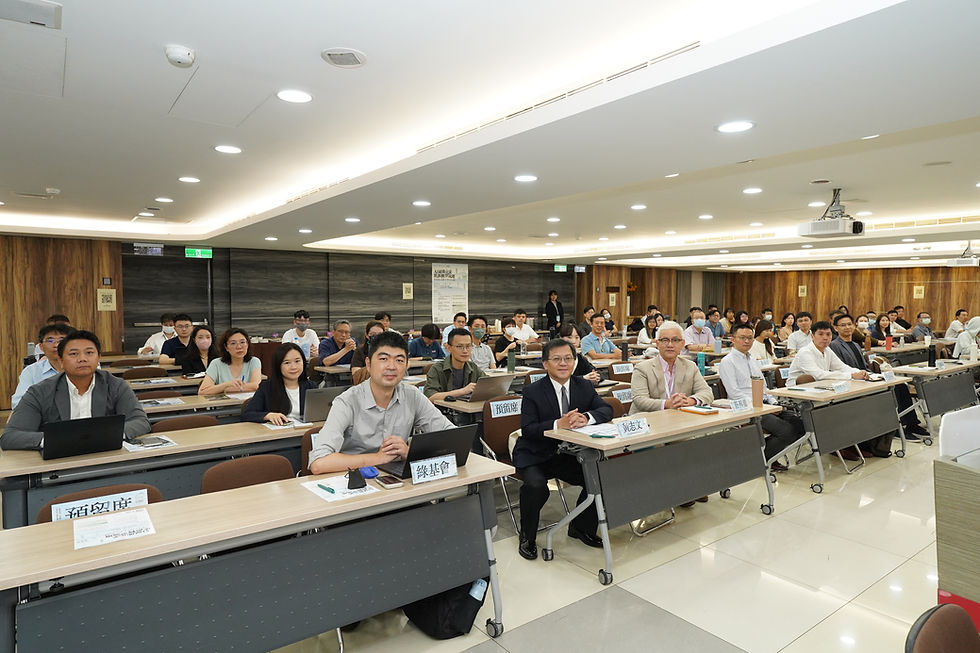
New Delhi – India I-TRACK Day on 11th of September 2026 brought together renewable energy stakeholders, corporate buyers, certificate market participants and sustainability professionals to explore the evolving role of environmental attribute tracking in India's energy transition. The event showcased how credible, transparent mechanisms for tracking renewable electricity and emerging energy sources are reshaping both domestic sustainability and global trade.

Market Momentum Drives Corporate Adoption
The event opened with a focused examination of India's I-REC(E) market. With renewable generation capacity expanding rapidly, certificate issuance has grown substantially. Yet supply growth alone does not define a maturing market demand does. Corporate sustainability commitments, RE100 memberships and net-zero pledges have made credible renewable electricity tracking essential. Companies now require more than power purchase agreements; they need verified, internationally recognized certificates to back their sustainability claims.
As transaction volumes grow, certificate characteristics technology type, vintage, project location and environmental criteria increasingly influence value. Pricing transparency and price discovery emerged as critical infrastructure. Better price signals help both generators and buyers navigate the market effectively.
Looking forward, virtual power purchase agreements, hourly matching and storage-backed certificates represent the next generation of renewable attributes. This evolution reflects a shift from simple annual accounting toward granular, time-matched clean energy procurement.
From Market Growth to Credible Claims
The conversation then turned to what credibility really means. Growing transaction volumes matter only if underlying claims are trustworthy. For this, traceability is fundamental. Clear information on attributes such as vintage, location and technology, combined with robust safeguards against double counting, is essential for ensuring that renewable energy claims can withstand greater scrutiny.
Granularity is also emerging as an important area of development. As global approaches move beyond annual matching, temporal and locational considerations are gaining relevance, particularly for companies pursuing more advanced 24/7 carbon-free energy strategies. At the same time, the market needs to remain accessible to smaller and distributed renewable energy projects, ensuring that increasing complexity does not create disproportionate barriers to participation.
The discussion also highlighted the potential for I-REC(E)s to support Scope 3 and value-chain decarbonization. As Scope 3 value chain emissions come under greater scrutiny, the role of certificates in demonstrating upstream and downstream renewable electricity use is becoming increasingly relevant.
CBAM Readiness: From Compliance to Competitiveness
The EU’s Carbon Border Adjustment Mechanism (CBAM) reflects a broader shift in global trade, where carbon performance is increasingly becoming part of market competitiveness. For Indian exporters, particularly those in energy-intensive industries, measuring emissions, reducing carbon intensity and demonstrating credible environmental performance are becoming increasingly important.
Renewable energy is one of the most immediate and scalable pathways for reducing emissions. For businesses progressing towards direct renewable energy procurement and long-term infrastructure investments, I-REC(E)s can serve as a bridging mechanism, enabling companies to address renewable electricity requirements while developing more direct procurement strategies.
CBAM readiness also extends beyond large exporters. MSMEs embedded within global supply chains are increasingly exposed to customer expectations around emissions reduction and cleaner production. India’s abundant solar and wind resources, coupled with falling generation costs, give businesses a good opportunity to strengthen their competitiveness through renewable energy. This becomes even more relevant when renewable energy use is supported by transparent and credible attribute tracking.
Beyond Electricity: Opening the Gas Frontier
The event concluded by exploring I-TRACK(G), a globally applicable framework for tracking biogas and biomethane environmental attributes. With an estimated compressed biogas potential of 62–90 million metric tonnes, India possesses one of the world's largest renewable gas resources. Over 80% of global biogas potential lies in emerging markets, making standardized tracking frameworks critical. Standardization, robust verification and credible data are essential enablers for scaling biogas projects. I-TRACK(G) provides the infrastructure needed to attract investment, support sustainability claims and integrate renewable gas into global clean energy supply chains.
The event underscored a clear message: India's energy transition is maturing, and the frameworks backing credible claims are evolving to match the ambition.


Comments