
REM™ Asia 2026: From Ambition to Infrastructure – The New Era of Credible Decarbonization
The Renewable Energy Markets™ (REM™) Asia conference, held on April 21–22 in Singapore, arrived at a critical juncture for the Asia-Pacific region. While previous years focused on the "why" of climate commitments, the 2026 summit shifted decisively toward the "how." As a Megawatt Sponsor, Mt. Stonegate joined industry leaders and policymakers to unpack a market that is rapidly outgrowing annual accounting and entering a phase of physical, real-time implementation.
The following synthesis explores the key shifts from the event and the strategic takeaways for organizations navigating the APAC energy transition.
The Physical Wall: AI and Grid Optimization
The explosive growth of AI has moved digital infrastructure into an era of "managed growth." The challenge is no longer just funding—it is the hard reality of transmission capacity and land availability. In several Southeast Asian markets, regulatory delays for grid connections now span five to six years, threatening to bottleneck the digital economy.
To bypass these hurdles, we are seeing a dual-track strategy. First, hyperscalers are moving beyond intermittent wind and solar into geothermal and baseload scenarios to ensure 24/7 reliability. Second, "AI for Energy" is being deployed to solve the very problems AI created—using millisecond-optimized grid dispatch and automated permitting to squeeze more efficiency out of existing infrastructure.
The Death of "Paper" Decarbonization
One of the most technical shifts discussed was the move toward hourly matching. Historically, annual energy accounting allowed companies to claim "100% renewable" status by matching daytime solar generation against nighttime consumption. This "paper" decarbonization failed to incentivize energy storage.
Registry experts and market participants are now pivoting toward granular, real-time tracking. By reflecting real-time grid dynamics, these systems finally provide the financial incentive needed for battery storage deployment.
The Old Mindset: Bulk REC purchases to cover annual usage.
The New Reality: Aligning demand with supply in real-time to ensure "Physical Reality Accounting" and mitigate reputational risk.
Solving Scope 3: The "Supply Shed" Approach
Tackling supply chain emissions remains the greatest hurdle for corporate APAC. However, the narrative has shifted from waiting for perfect data to taking collective action via "Supply Sheds."
Instead of trying to meter every individual unmetered supplier, brands are beginning to estimate regional electricity loads and procure high-integrity clean energy within that specific grid region. This moves the focus from monitoring suppliers to greening the entire regional infrastructure that supports them.
Navigating Localized and Cross-Border Markets
The REC market in Asia remains highly fragmented. While Vietnam faces a structural oversupply—driving prices as low as 30 to 60 cents per MWh—Singapore has seen price corrections as cross-border redemption policies evolve.
To hedge against this volatility, regulated utilities are innovating with Utility Green Tariffs (UGTs). These programs offer 10-year contracts tied specifically to new renewable assets, providing the long-term predictability that corporate buyers crave. However, the physical flow of "clean electrons" across the ASEAN power grid is still outpacing the policy mechanisms needed to recognize these imported attributes in international reporting frameworks.
Summary of Strategic Shifts
Theme | Old Mindset | New Strategic Reality |
Grid Access | Unlimited availability. | Managed growth; physical constraints define ROI. |
REC Selection | Seeking the lowest price. | High-integrity, local, and granularly matched. |
Scope 3 | Waiting for traceability. | Immediate action via regional "Supply Sheds." |
Conclusion
The transition in Asia is moving from the boardroom to the engineering floor. As market mechanisms mature and tracking becomes more granular, the leaders of the next decade will be those who treat energy procurement not simply as a compliance requirement, but as a strategic advantage. For organizations navigating this shift, Mt. Stonegate supports end users with market intelligence, procurement strategy, renewable energy sourcing solutions, and cross-border market advisory across Asia, helping translate ambition into credible, real-world implementation.
Mt. Stonegate is honored to facilitate these conversations, helping our partners navigate the complexities of the APAC market to drive credible, real-world action. Let’s continue to accelerate toward a sustainable, net-zero future together.
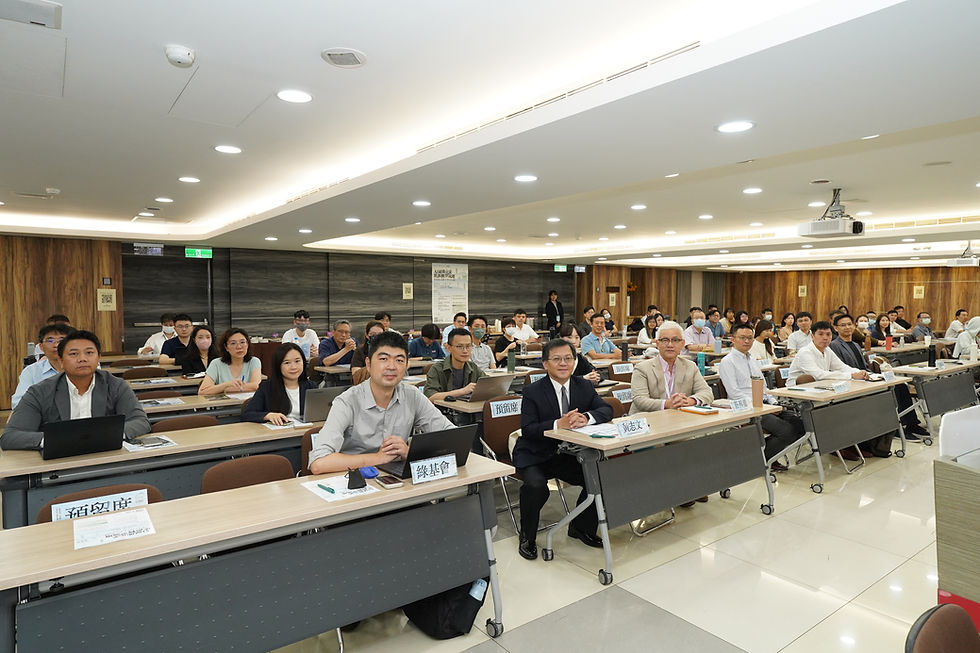
Pic 1. Mt. Stonegate team during REM Asia 2026


Comments